Acrylic products entered the conversation in the 1930s as an evolution of research into synthetic resins and, over time—starting from the early tests of Mexican muralists—they transformed the way we conceive mural decoration and even the art world itself. Initially used in industrial contexts, they evolved and spread as synthetic products in interior design thanks to their quick drying, durability, and chromatic brilliance.
Decorative acrylic-based finishes are of great interest to architects, interior designers, and professional applicators for their aesthetic versatility, ease of maintenance, and straightforward application. They deliver high visual impact without particular application difficulties and ensure rapid drying times.
To better understand this broad and varied category, we have compiled a list of the questions our partners ask most often. This mini-guide will help you navigate the choice of the most suitable acrylic finish for your project.
What are the advantages of acrylic products?
In general, when correctly applied within the appropriate system, acrylic products offer durability and speed of application—qualities that make them ideal both for large construction sites and targeted interventions. They also provide a very wide range of solutions, each with a specific function: consolidating, levelling/priming, protective, water-repellent; they can help inhibit mould growth, reduce dirt pick-up on surfaces, mitigate condensation, and even contribute to improved acoustic comfort and thermal insulation. In short, it’s a diverse world.
It is worth noting that similar performances can also be achieved with other product families—such as mineral systems—but in those cases the application cycles are different and more specific. Acrylic systems generally offer simpler application workflows.

What is the difference between acrylic products and lime-based products?
Acrylic products are, in a sense, the “other side of the coin” compared to traditional mineral products. One key difference concerns how they interact with the substrate. Mineral products, when used within a mineral system, chemically bond to a substrate with similar characteristics. A synthetic (acrylic) paint, by contrast, adheres to the substrate—whatever it may be—through mechanical adhesion rather than by fusing with it. It forms a film that does not become one with the substrate.
As a rule of thumb, acrylics are used whenever the substrates are non-mineral. Typically, mineral or silicate paints are preferred on mineral substrates.
Acrylic products also ensure stable colors, wash resistance, and faster application. Lime-based products, on the other hand, are breathable and natural and—from an aesthetic standpoint—lend walls unique, non-standardised effects.
Acrylic vs. mineral: which is the better choice?
There is no single answer. The choice always depends on the project, the substrates, performance requirements, and the desired aesthetic.

Which acrylic finishes are available in the Viero Decoratives range?
Among Viero Decoratives’ acrylic-based finishes you’ll find plasters, paints, enamels, and gypsum-based products. Examples include Allure, E Brezza, Erametal, Ghibli, Krakkle, Lithos, Silk, Rusten Finish Nova, Viero Vel, and Vieroplast.
What decorative effects can be achieved?
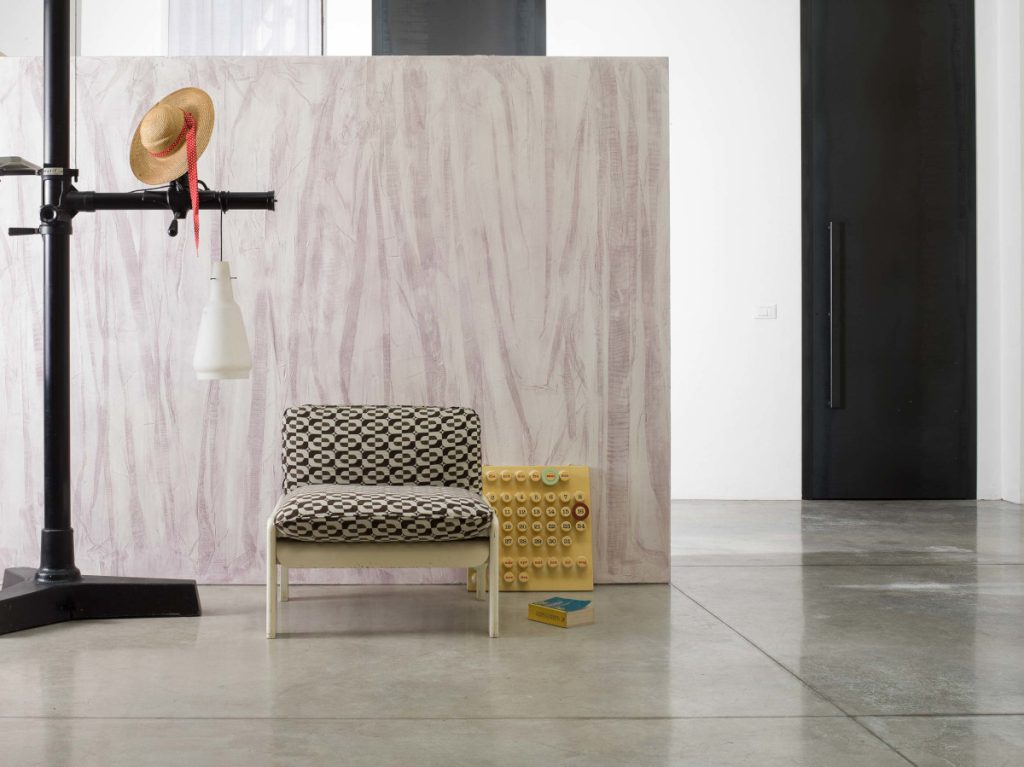
Acrylic-based finishes enable decorators to create a multitude of creative—and customisable—solutions. With acrylics you can achieve smooth, velvety surfaces as well as more tactile, elaborate textures.

Can they be mixed?
Absolutely. Certain acrylic products allow you to fully express your creativity. They can be used in different multi-layer systems or combined with other finishes. Consider Viero Decoratives’ Rusten Ossidato effect, created by combining the acrylic-based products Rusten Finish and Lithos.
Can lime-based Viero Decoratives products be combined with acrylic products?
Yes—provided the technical data sheets are followed. For example, our “Setae Lucensis” line within “Made in Tuscany” is created by applying two products in sequence: Marmorin Satin (lime-based) and Silk (acrylic-based).
Can acrylic-based finishes be applied to any substrate?
Acrylic finishes adhere well to plaster, drywall, and skim coats. The substrate must be sound and properly prepared. In every case, always consult the technical data sheets, because there are many different product types for specific situations. It is important to read the information provided on the packaging.
What color range is available?
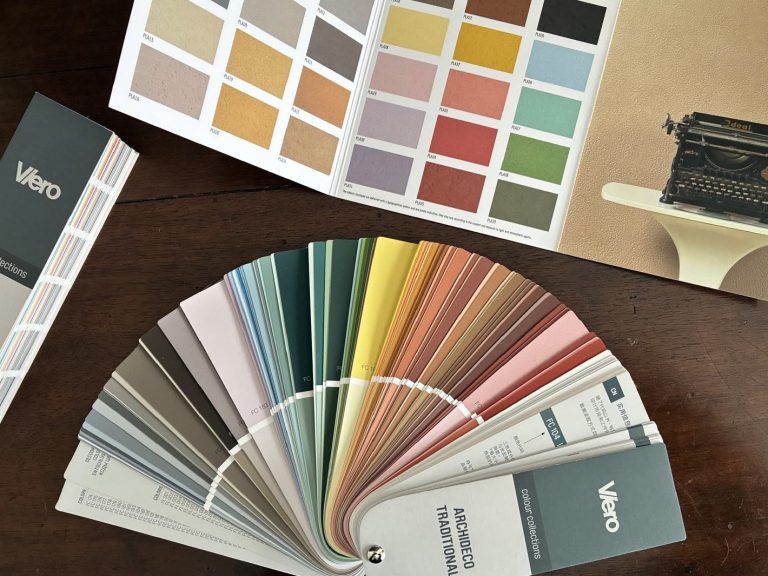
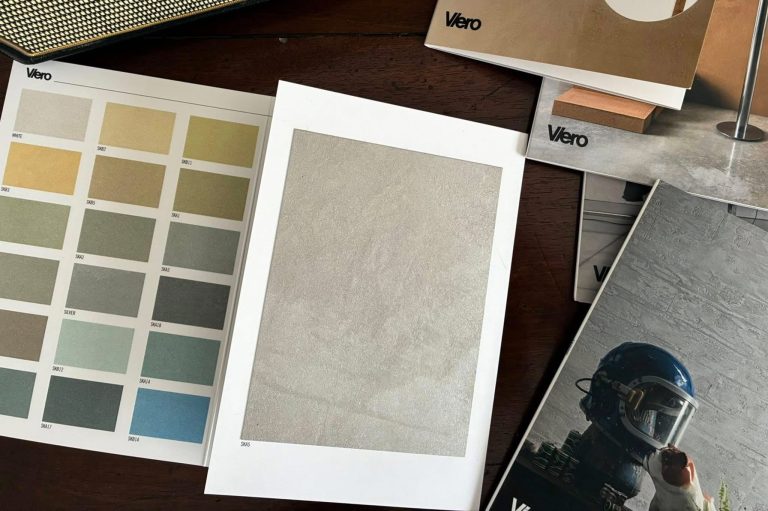
Acrylic products can be formulated in highly saturated colors—from absolute black to pure white—covering the full spectrum in between. Acrylic-based finishes are available in many shades and can be customised, with options for saturated, luminous, or glossy results. One of their key characteristics is color stability.
Interested in acrylic wall products? Get in touch for more information.
Still unsure how to choose the most suitable exterior paint for your project? No problem—contact the Viero Decoratives experts and we will provide tailored guidance.